Knee Osteoarthritis: Can You Avoid a Replacement?
Cartilage loss does not dictate your pain level, and strength does more for arthritic knees than almost anything else. What the evidence supports — and where surgery is the right call.
Being told you have "bone on bone" knees is frightening, and it is often the moment people stop walking, stop exercising and start planning for surgery. That reaction is understandable and usually premature.
X-ray severity and pain are only loosely related
A substantial proportion of people with radiographically severe knee osteoarthritis report little or no pain, and plenty with mild changes on film are significantly limited. The image is one input among several — strength, load tolerance, sleep, body weight and how threatening the condition feels all contribute to how much it hurts.
What actually helps
Strengthening, above all
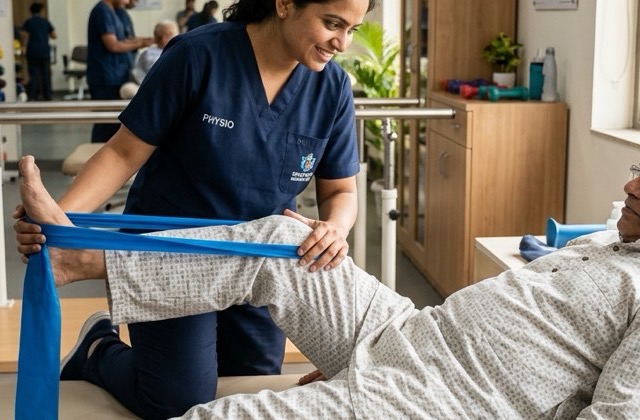
Quadriceps and hip strength are the best-supported intervention for knee osteoarthritis. Stronger muscle distributes load across the joint and reduces the peak forces the cartilage sees. Effect sizes in the research are comparable to common analgesics, without the side effects.
Load management, not avoidance
Arthritic joints do best with regular, moderate loading. Complete avoidance weakens the surrounding muscle and reduces tolerance further; too much too soon flares it. The skill is finding the dose that sits between those, and progressing it.
Weight, where it applies
Each kilogram lost removes roughly four kilograms of load from the knee during walking. Where weight loss is realistic it reliably reduces symptoms — and it works considerably better combined with strengthening than on its own.
What helps less than advertised
- Arthroscopic "clean-out" surgery for degenerative knees — repeated trials show it performs no better than placebo procedures
- Glucosamine and chondroitin — large trials show little benefit over placebo for most people
- Passive treatments alone — heat, ultrasound and massage relieve symptoms briefly but change nothing about capacity
When replacement is the right answer
Knee replacement is an excellent operation for the right person, and we refer patients for it regularly. The usual indications are pain that persists despite a genuine course of strengthening, night pain that disrupts sleep, and function that has narrowed your life in ways you are not willing to accept.
Worth knowing: doing three months of strengthening first is not wasted even if you go on to have surgery. Patients who enter a knee replacement stronger recover faster and leave hospital sooner. It is prehabilitation either way.
“The choice is not physiotherapy or surgery. It is physiotherapy first, then surgery if you still need it — going in stronger.”
Written by the clinical team at Caring Hands Physio Clinics. General information only — it is not a substitute for an individual assessment. If something here sounds like your problem, book an appointment and we will tell you what applies to you specifically.