Oncology & Pulmonary Rehabilitation Strength and Breath, Rebuilt Gently
Treatment takes a toll on strength and stamina, and breathlessness shrinks what you attempt. Both respond to a carefully paced programme built around how you actually feel week to week.
- Patients supported
- 1,200+ Patients supported
- Years in this field
- 9+ Years in this field
- Specialist therapists
- 7 Specialist therapists
- Improve walking distance
- 84% Improve walking distance
- Paced around treatment cycles
- Oxygen-monitored sessions
- Free 20-min assessment
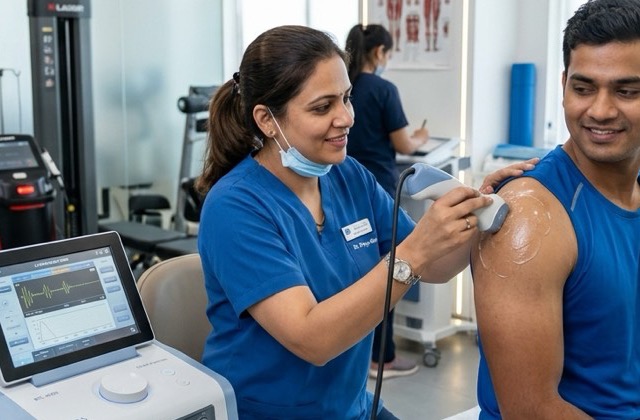
Movement is safe — and it helps
Exercise during and after cancer treatment reduces fatigue, protects muscle and supports quality of life. The instinct to rest completely through treatment is understandable, but it costs strength that is harder to rebuild later.
Pulmonary rehabilitation applies the same principle to breathlessness. Conditioning plus breathing technique raises how far you can walk before you have to stop — which is usually what determines how independent daily life feels.
- Sessions paced around chemotherapy and radiotherapy cycles
- Oxygen saturation and effort monitored throughout where relevant
- Close coordination with your oncology or respiratory team
- Programmes that scale down on hard weeks rather than stopping
Where this programme helps
Support during active treatment, in recovery afterwards, and for long-term respiratory conditions.
-
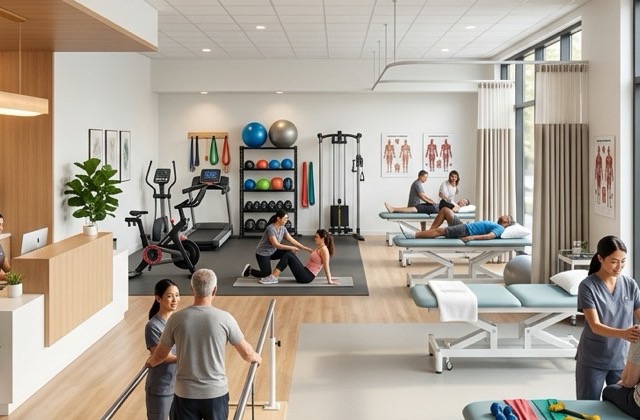
Cancer-Related Fatigue
Paced conditioning that reduces fatigue rather than adding to it.
-
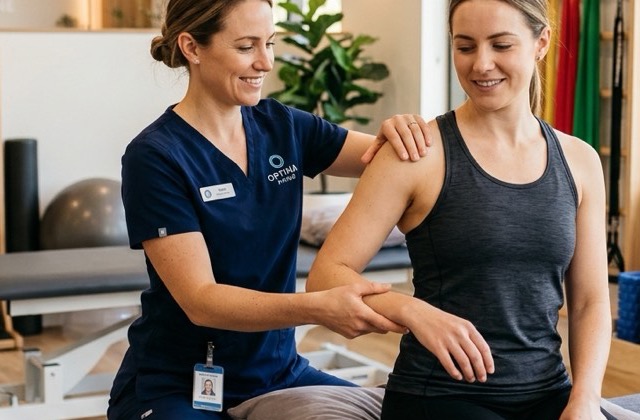
Post-Surgical Oncology Rehab
Restoring shoulder and trunk movement after breast or abdominal surgery.
-
Lymphoedema
Decongestive techniques, compression guidance and exercise to manage swelling.
-
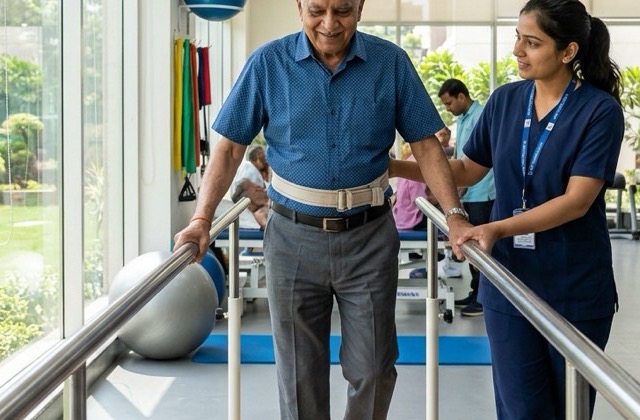
COPD
Breathing retraining and graded conditioning to extend walking tolerance.
-
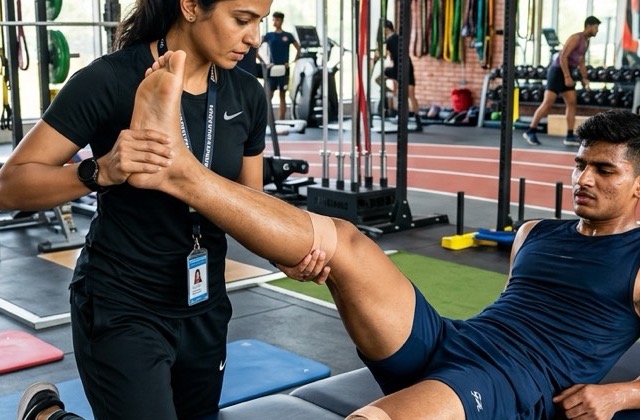
Post-COVID Recovery
Careful, symptom-titrated return to activity after prolonged illness.
-
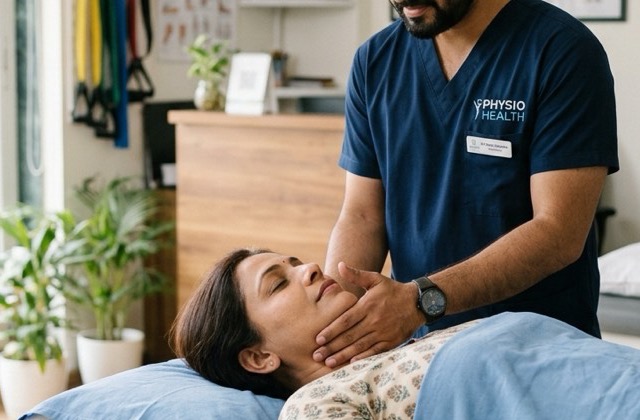
Chronic Dyspnoea
Breathing pattern retraining and positions that ease the work of breathing.
-
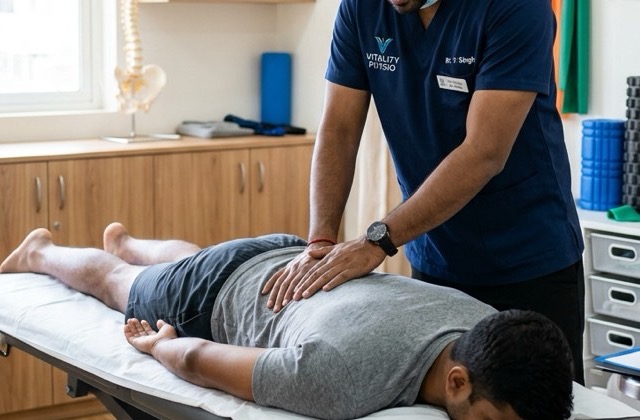
Bronchiectasis
Airway clearance techniques taught for daily independent use at home.
-
Deconditioning
Rebuilding strength lost through a long illness or hospital admission.
Not seeing your condition? Contact us or call +91 99900 96269.
Careful, monitored, progressive
Everything here is titrated to how you present on the day, not to a fixed weekly plan.
Book an Appointment-
01
Breathing Retraining
Pursed-lip and diaphragmatic technique to reduce the work of breathing.
-
02
Graded Aerobic Conditioning
Walking and cycling built up slowly with effort and saturation monitored.
-
03
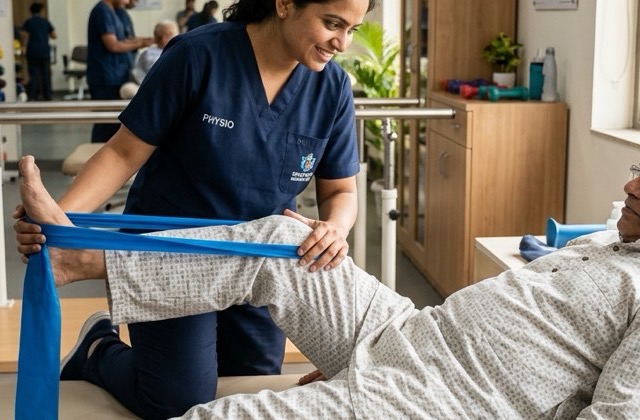
Resistance Training
Protecting the muscle that treatment and inactivity erode fastest.
-
04
Airway Clearance
Techniques taught so you can manage secretions independently at home.
-
05
Lymphoedema Management
Manual drainage, compression advice and exercise to control limb swelling.
-
06
Energy Conservation
Pacing and planning so the energy you have goes to what matters most.
Four stages, always paced
Programmes flex around treatment cycles and bad weeks rather than stopping altogether.
-
1
Initial Assessment
Walking distance, breathlessness and strength baselined, with your treatment schedule taken into account.
-
2 Weeks 1–3
Establish Basics
Breathing technique, energy conservation and a starting level that is comfortably achievable.
-
3 Weeks 3–10
Build Capacity
Gradual increases in conditioning and strength, re-measured every fourth session.
-
4 Ongoing
Independent Programme
A routine you run yourself, with periodic reviews to keep it progressing.
Stage one costs nothing and takes twenty minutes.
Book your assessmentWhat makes our care different
-
One therapist, start to finish
You are not passed between staff. The physiotherapist who assesses you is the one who treats you through to discharge.
-
Objective progress tracking
Range, strength and function are measured and charted — so "getting better" is a number, not a feeling.
-
Honest session estimates
We tell you upfront roughly how many sessions this should take, and we tell you when you no longer need us.
-
Comprehensive initial assessment
A thorough consultation with a physiotherapist before you commit to anything.
-
Extended evening hours
Appointments until 8:30pm on weekdays so treatment fits around work rather than competing with it.
-
Fully equipped gym floor
Proper loading equipment on site — you cannot rebuild strength with resistance bands alone.
Recovery in their words
1,284 verified reviews
- 5
- 92%
- 4
- 6%
- 3
- 1%
- 2
- 0%
- 1
- 1%
3 recent reviews from this programme
-
Verified
I assumed exercise during chemotherapy was a bad idea. Being shown how to do it safely meant I got to the end of treatment far stronger than last time.
Vandana R. Cancer-related fatigue · 12 weeks -
Verified
With COPD I had stopped walking to the shop. Ten weeks on I manage it without stopping. The breathing technique alone was worth it.
Ibrahim S. COPD · 10 weeks -
Verified
Post-COVID everything I tried set me back for days. They were the first to pace it properly rather than pushing me.
Anjali T. Post-COVID recovery · 14 weeks
Start your own recovery — book your consultation today.
Oncology and pulmonary rehab FAQs
Still unsure? Speak to a physiotherapist on +91 99900 96269 — no charge for the conversation.
Is it safe to exercise during chemotherapy?
For most people, yes, and it is actively recommended — appropriate exercise reduces treatment-related fatigue and protects muscle. We coordinate with your oncology team, adjust around your cycles, and there are specific situations where we would pause. Your assessment covers all of it.
Will exercise make my breathlessness worse?
Feeling breathless during exercise is expected and not harmful. Pulmonary rehabilitation improves how efficiently you use the lung capacity you have, so over time you do more before breathlessness limits you. We monitor oxygen saturation throughout.
Can you help with lymphoedema after breast cancer surgery?
Yes. We provide decongestive techniques, compression guidance and a safe exercise programme, and we work with your oncology team on ongoing management.
What if I feel too unwell to attend some weeks?
That is expected, and the programme is designed for it. On hard weeks we scale the session down rather than cancelling, because stopping entirely costs more than it saves.
Do you treat long COVID?
Yes, with careful pacing. Where post-exertional symptom worsening is present we titrate activity very conservatively rather than pushing through, because pushing reliably makes it worse.
Do I need a referral from my consultant?
Not to book an assessment. We do ask your permission to contact your oncology or respiratory team so the programme fits alongside your medical treatment.
Strength is worth protecting through treatment
Book an appointment. You will leave with a safe starting point paced around your treatment.
- 1638, Dividing Rd, Sector 65, Faridabad
- info@caringhandsphysioclinic.com
- Open until 8:30pm on weekdays & Saturdays
Book your assessment
Tell us what hurts. We will call you back to confirm a time that works.